
UNCCD COP17 is taking place in Ulaanbaatar during the International Year of Rangelands and Pastoralists (IYRP 2026). It marks a pivotal moment for global land‑use policy. While the Convention has traditionally focused on desertification, land degradation, and drought, COP17 places rangelands and pastoralists firmly at the centre of the agenda. This shift creates a powerful opportunity to advance the sustainable use of wild species under the Kunming–Montreal Global Biodiversity Framework (GBF), particularly Targets 5 and 9.
Earthmind’s work on wildlife economies, sustainable use, and landscape‑level governance shows that rangelands are not only productive systems for pastoral livelihoods; they are also biodiversity landscapes where wild species, ecological processes and human use intersect. COP17 outcomes can help bridge the UNCCD and CBD agendas in ways that strengthen both.
Rangelands as biodiversity landscapes
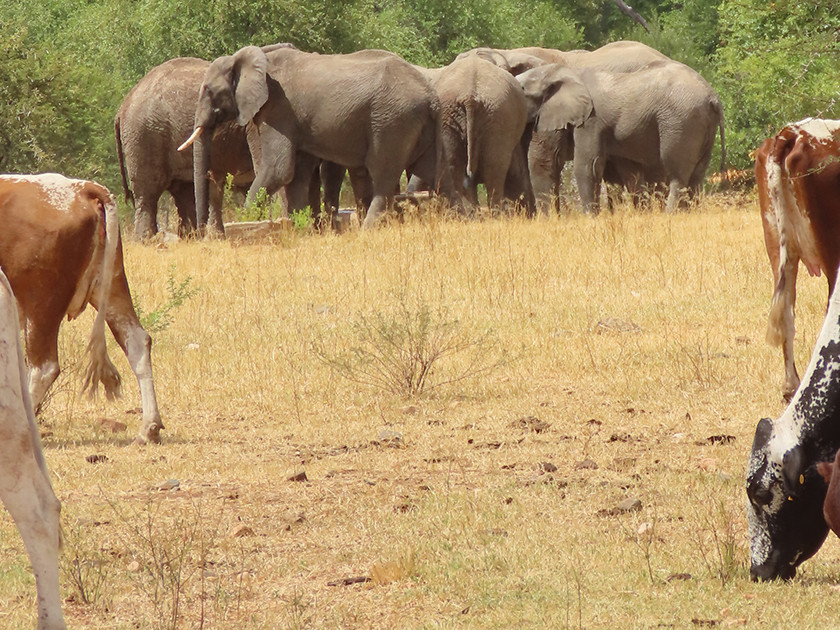
Rangelands cover more than half of the Earth’s land surface and support hundreds of millions of pastoralists. They are also home to diverse assemblages of wild herbivores, predators, migratory species, and wild forage plants. COP17 documents emphasise the ecological and socio‑economic importance of these landscapes, highlighting their role in food security, climate resilience, and nature‑positive land management.
This framing aligns closely with the GBF’s recognition that biodiversity exists far beyond protected areas. For many countries, notably in Africa and Central Asia, rangelands are the primary landscapes where wild species are used, managed and conserved.
Sustainable Pastoralism as a Model of Sustainable Use
GBF Target 5 calls for the sustainable, legal, and safe use of wild species. COP17’s emphasis on sustainable pastoralism provides a practical pathway to deliver this target.
Pastoral systems, when well governed, maintain ecological processes that support both domestic livestock and wild species. Wildlife‑friendly stocking rates, migratory corridors, predator coexistence strategies, and community‑based grazing governance are all examples of sustainable use in practice. COP17’s call for policies and investments in sustainable rangeland management can be extended to include:
- sustainable use of wild forage species
- regulated wild meat and plant harvesting
- wildlife‑based tourism and hunting economies
- community‑led monitoring of wild species trends
These approaches strengthen biodiversity while supporting pastoral livelihoods leading to exactly the kind of integrated outcome envisioned by the GBF.
Customary use and community rights
GBF Target 9 emphasises sustainable management of wild species and the recognition of customary sustainable use. COP17 decisions highlight the importance of rangelands for Indigenous Peoples, local communities, women, and youth. This provides a strong basis for recognising pastoralists’ customary rights to the use of wild species – whether for food, medicine, cultural practices, or grazing management.
By embedding community rights and knowledge into rangeland governance, countries can simultaneously advance UNCCD commitments and GBF implementation.
Land Degradation Neutrality as a delivery mechanism for the GBF
Land Degradation Neutrality (LDN) is one of the UNCCD’s flagship commitments. COP17’s focus on restoring grasslands, savannahs, and rangelands creates a direct implementation pathway for GBF Targets 5 and 9. LDN projects can be designed to:
- restore habitats for wild species
- recover native species assemblages
- rebuild intact food webs
- secure sustainable use practices through tenure and governance reforms
By aligning LDN targets with GBF‑aligned National Biodiversity Strategies and Action Plans (NBSAPs), countries can deliver measurable biodiversity outcomes through land‑use investments already underway.
A strategic bridge to CBD COP17
COP17 explicitly calls for stronger alignment across the Rio Conventions and for building a “strategic bridge” to CBD COP17. Rangelands and pastoralism offer one of the most promising areas for such alignment. Joint UNCCD–CBD programmes could focus on:
- rangeland restoration for wild species recovery
- community‑based monitoring of sustainable use
- wildlife‑friendly pastoral value chains
- regional dialogues on rangelands and wild species
- integrated financing for land restoration and biodiversity
Such initiatives would help countries meet commitments under both conventions while strengthening the rural economies critical to both wildlife conservation and sustainable development.
An opportunity not to be missed
UNCCD COP17 has opened the door for rangelands to be recognised not only as productive landscapes but as critical biodiversity systems where sustainable use of wild species is both possible and essential. The GBF provides the global framework; COP17 provides the implementation platform.
For countries across Africa, Asia, and Latin America, aligning rangeland policies with GBF Targets 5 and 9 could transform how wild species are managed – shifting from protectionist models to sustainable, livelihood‑based wildlife economies.
Earthmind will continue supporting governments, communities, and partners to build these bridges, ensuring that rangelands remain productive, biodiverse, and resilient for generations to come. Onwards from UNCCD COP 17 to CBD COP 17.
By Con Bartel, Sebastian Winkler & Francis Vorhies
Click for more info on UNCCD COP17